This March we were contracted to do some restoration project evaluations in Rwanda, Ghana and Kenya. This was in support of an international restoration institute who have many restoration projects spread over Africa and elsewhere.
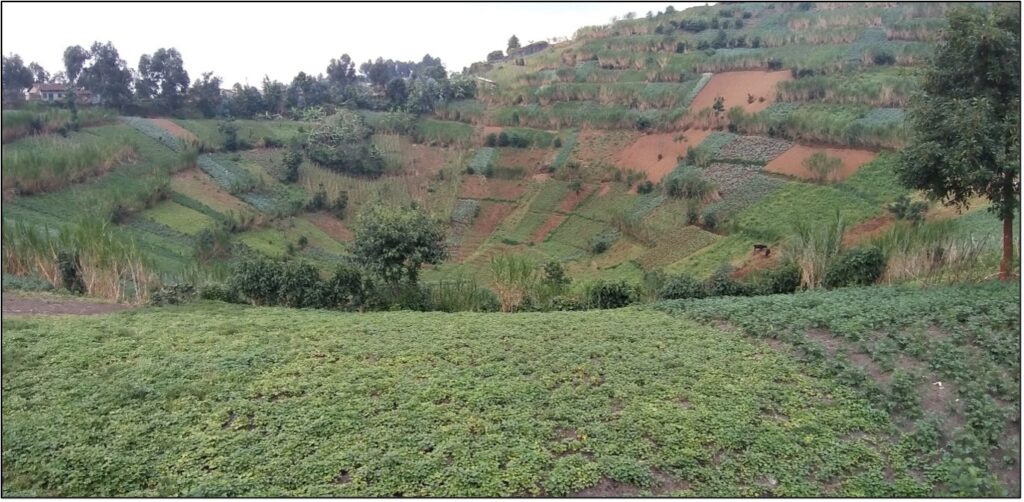
We started in northern Rwanda, based on lake Kivu. Here we visited restoration sites and a tree nursery. As is so often the case we saw that the work done is not always in the best interests of the local environment with invasive bamboo planted along rivers in favour of locally indigenous reeds. Soil erosion control is relatively new to the project with the current focus on tree planting. Rwanda is a revelation, not a fag end or plastic bag in sight, even in the bush due to very strict regulation. The capital city, Kigali is spotless, neat and maintained.
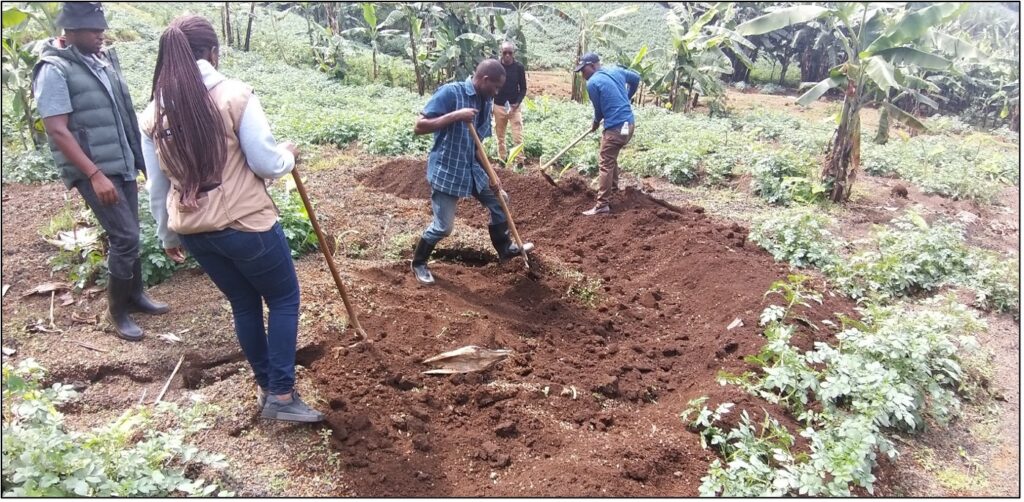
Then we visited Ghana where forest still remains in-between settlements but is constantly under threat from highly destructive gold mining. The mining is illegal but the authorities do not control it. Here we came across a pangolin rescue centre run by very enthusiastic conservators who also steer the restoration work. Restoration is in the early phases with a good nursery on a local forest conservancy and some effective tree planting done. Here there was enough time to demonstrate some soil conservation methodology. The capital city Accra is a mind-blowing conglomeration of flyovers and development and businesses, going on forever.
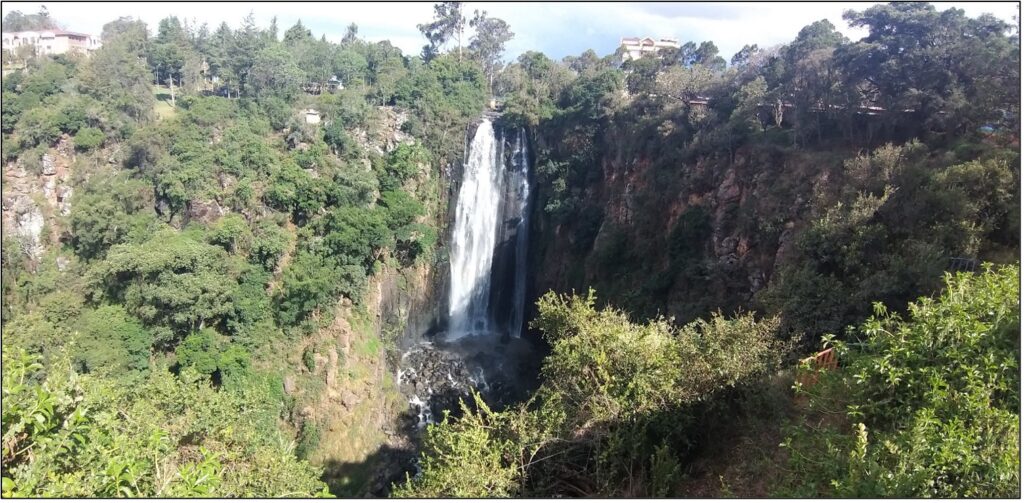
Next stop was Nairobi in Kenya. We travelled north by road to Laikipia where we saw some effort at tree planting and did some soil erosion control training on an area controlled by the national parks authority. It seems that most of the un-conserved natural veld in Kenya has been converted into farming land all of which is planted up with pine, wattle, cypress, blue-gum and other trees alien to the area.
An insightful round trip but as we expected, we did not find much in the way of restoration progress as the projects were started only two years ago. Much has already been done to introduce the projects and mobilize farmers and communities. There appears to be considerable enthusiasm but a great deal of environmental education will be necessary. We look forward to a continuous involvement with the projects.